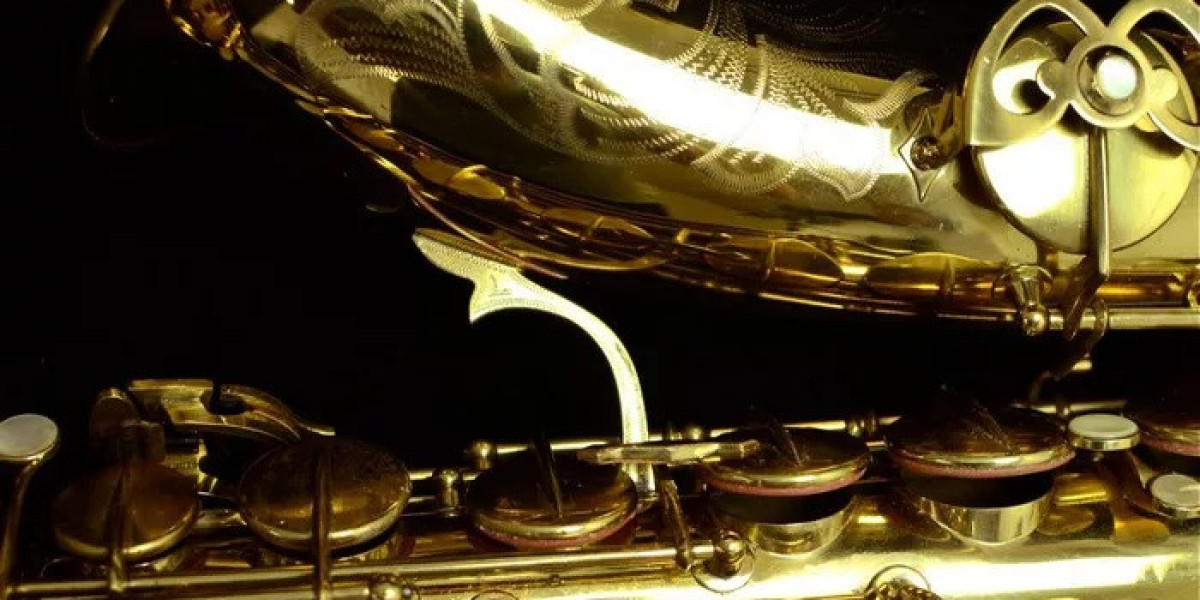

Choosing the right reed strength is one of the most important decisions a Tenor Saxophone player can make. The reed is the vibrating element responsible for producing sound, and its stiffness dramatically affects tone quality, projection, articulation, and ease of play. Whether a musician is a beginner developing foundational technique or a seasoned performer refining subtle tonal characteristics, reed strength shapes every aspect of performance. Yet determining which strength is "best" is not as straightforward as picking a number; it depends on the player's experience, embouchure, mouthpiece design, musical style, and personal preferences.
This article explores reed strength in detail, examining how different strengths influence tone and playability, what various players should consider, and how to select a reed that supports expressive, effortless performance on the tenor sax.
Understanding Reed Strength and Its Purpose
What Reed Strength Really Means
Reed strength refers to how stiff or resistant the reed is when the player applies air pressure. Manufacturers typically assign a number to indicate strength, often ranging from 1.5 to 5. Softer reeds have lower numbers, while harder reeds have higher ones. Although numerical scales vary slightly between brands, the general relationship between number and stiffness remains consistent.
For the Tenor Saxophone, reed strength affects how much air the player must use, how quickly the reed responds, and how the sound resonates. A softer reed vibrates more easily, allowing quick response but sometimes limiting tonal depth. A harder reed requires more breath support and embouchure strength but rewards the player with greater control and richer harmonic content.
The Relationship Between Reed Strength and Sound
Reed stiffness influences tone color and playing feel. Softer reeds create a warmer, breathier sound with easier low-register response. Harder reeds produce a brighter, more powerful tone capable of cutting through ensembles. The ideal reed strength is the one that allows the musician to achieve a full sound without excessive strain while maintaining flexibility in all registers.
How Player Experience Affects Reed Selection
Beginners Starting on the Tenor Saxophone
New players typically benefit from softer reeds. Beginners are still developing embouchure muscles, breath control, and mouthpiece stability. A softer reed simplifies initial sound production, reduces fatigue, and encourages proper airflow habits. When a reed is too hard too soon, students tend to compensate incorrectly by biting down or pushing too much air, which can hinder long-term development.
Most new Tenor Saxophone players start with strengths in the 1.5 to 2 range. This allows them to produce notes easily, navigate the lower register, and experiment with articulation without fighting unnecessary resistance. As their technique matures, they can gradually increase reed strength.
Intermediate Players Developing Control
Intermediate saxophonists usually transition from soft reeds to medium strengths such as 2.5 or 3. At this stage, players have enough embouchure stability to handle greater resistance. Using slightly stiffer reeds encourages cleaner articulation, sharper pitch control, and a more mature tone.
Players in this category often explore different brands and cuts, discovering how subtle variations in reed design affect response. Medium strengths offer a balanced approach, providing enough resistance to support dynamic contrast while still allowing flexibility for expressive phrasing.
Advanced and Professional Musicians
Experienced players often choose harder reeds, typically 3 to 4 in strength. These reeds better support powerful projection and rich, focused tone. Professional musicians frequently tailor reed selection based on specific performance requirements, mouthpiece design, and musical style. Because their embouchure technique is well developed, they can control harder reeds without sacrificing responsiveness or comfort.
Some advanced players even use different reed strengths for studio recording, live performances, or jazz improvisation, selecting the strength that best complements the setting.
How Mouthpiece Design Influences Reed Strength
The Impact of Tip Opening
Mouthpieces with wider tip openings require softer reeds, because the reed must flex more to vibrate properly. Conversely, mouthpieces with narrow tip openings pair better with harder reeds, providing stability and preventing the sound from becoming overly thin.
For the Tenor Saxophone, tip opening is a major determinant of reed choice. Jazz players often use mouthpieces with wider openings to achieve a brighter, edgier tone, so they tend to prefer slightly softer reeds that vibrate freely under lighter embouchure pressure. Classical players often choose narrower tip openings for their focused, controlled sound, requiring a reed with more resistance.
Chamber and Facing Length Considerations
The internal chamber shape and facing length of a mouthpiece also influence proper reed selection. Longer facings work well with harder reeds, while shorter facings respond better to softer ones. A mismatch can result in poor intonation, difficulty in the altissimo register, or a lack of tonal clarity.
Selecting the right reed for the mouthpiece ensures both comfort and tonal consistency.
Musical Style and Its Influence on Reed Choice
Jazz and Contemporary Music
Jazz tenor players typically desire a flexible reed that supports expressive bends, growls, subtone, and fast articulation. Softer reeds, usually between 2 and 2.5, allow this freedom. The slightly looser vibration helps the musician achieve the characteristic warm subtone in ballads and the punchy edge needed in up-tempo pieces.
Some jazz players prefer medium-hard reeds because they provide stronger projection when playing in amplified settings. The choice depends on whether the musician values flexibility or power.
Classical and Orchestral Performance
Classical performers generally favor harder reeds, often in the 3 to 3.5 range. These reeds support a stable, centered tone with minimal vibrato, aligning with classical tonal standards. Harder reeds also help players maintain precise intonation, especially during long sustained passages.
In classical settings, the Tenor Saxophone blends with woodwinds and brass, requiring a clean, refined tone that benefits from stronger reeds.
Studio Recording and Controlled Environments
Studio musicians frequently switch between reed strengths depending on the recording environment. Softer reeds provide a more intimate, mellow tone that microphones capture well. Harder reeds are chosen for tracks requiring brightness and clarity.
Recording environments magnify the subtle qualities of a reed, making careful selection even more critical.
Signs That a Reed Strength Is Not Suitable
Indicators of a Too-Soft Reed
If the reed feels overly responsive, lacks power, or produces a thin tone, it may be too soft. Another sign is difficulty playing in the upper register, since softer reeds may not provide enough resistance for stable altissimo notes.
Indicators of a Too-Hard Reed
A reed that is too stiff causes fatigue quickly. The player may struggle to produce low notes or feel resistance when articulating. Intonation issues and squeaking also occur when the reed is too hard for the player’s embouchure or mouthpiece setup.
Finding the right balance ensures effortless playability.
Conclusion
The best reed strength for the Tenor Saxophone depends on the player’s experience, mouthpiece setup, and musical style. Beginners benefit from softer reeds that make initial sound production easier, while intermediate players often gravitate toward medium strengths that offer both flexibility and control. Advanced musicians frequently prefer harder reeds that provide tonal richness and powerful projection. Jazz, classical, and studio musicians each have unique requirements that influence their choices, and the interplay between reed and mouthpiece design adds another dimension to the decision.
Ultimately, the ideal reed strength is the one that empowers the musician to play comfortably, expressively, and consistently across all registers. Selecting the right reed is a meaningful step toward mastering the tenor saxophone’s voice and unlocking its full musical potential.