
Florida homeowners continue to face one of the most complex and expensive insurance markets in the United States. With rising premiums, hurricane exposure, regulatory shifts, and changing underwriting standards, understanding Florida home insurance in 2026 is more important than ever.
Whether you are buying a new property, renewing your policy, or simply budgeting for future expenses, having clarity around home insurance costs and coverage options can help you make informed financial decisions. Tools like a Florida home insurance calculator have also become valuable resources for estimating potential premiums before contacting an agent.
This guide explains how Florida home insurance works, why rates are higher than most states, what factors impact premiums, and how homeowners can plan strategically.
Why Florida Home Insurance Is Unique
Florida’s insurance market operates differently compared to most other states due to several risk factors:
1. Hurricane and Storm Exposure
Florida experiences frequent hurricanes, tropical storms, and severe weather events. Coastal proximity significantly increases the risk of wind damage, flooding, and storm surge.
Insurance companies assess county-level hurricane exposure when calculating premiums. Homes located in high-risk coastal counties typically pay more than those further inland.
2. Litigation and Market Instability
Over the past decade, Florida’s insurance market has seen multiple insurer exits, insolvencies, and legal disputes. This has created pricing volatility and limited policy availability.
Regulatory reforms introduced in recent years aim to stabilize the market, but homeowners still face elevated costs compared to national averages.
3. Reinsurance Costs
Florida insurers rely heavily on reinsurance (insurance for insurance companies) due to catastrophic storm risk. When global reinsurance costs increase, those expenses are passed down to policyholders.
What Does Florida Home Insurance Cover?
A standard home insurance policy in Florida typically includes:
Dwelling coverage (structure of the home)
Other structures (garages, sheds)
Personal property
Liability protection
Loss of use (temporary living expenses)
However, homeowners should understand that:
Flood insurance is not included in a standard policy.
Windstorm deductibles often apply separately in hurricane-prone areas.
Reviewing policy details carefully is essential to avoid surprises during claims.
Key Factors That Affect Florida Home Insurance Rates
Insurance companies use specific rating factors to determine premiums. Understanding these factors can help homeowners anticipate costs more accurately.
1. County and Location Risk
Insurers assess hurricane exposure by county. Coastal counties typically have higher rates due to storm surge and wind risks.
A Florida home insurance calculator often includes location risk as a primary input because it significantly influences estimated costs.
2. Home Value and Replacement Cost
The replacement cost — not the market value — determines how much it would cost to rebuild the home after a total loss.
Higher construction costs in Florida, especially after major storms, directly impact insurance premiums.
3. Year Built
Newer homes built under updated Florida building codes tend to qualify for lower premiums. Older homes may require inspections and upgrades to meet current standards.
4. Roof Age and Roof Material
Roof condition is one of the most important rating factors in Florida home insurance.
Newer roofs often receive discounts.
Impact-resistant materials may lower premiums.
Older roofs can increase rates or even make coverage harder to obtain.
5. Wind Mitigation Features
Wind mitigation improvements can reduce insurance costs. These include:
Hurricane shutters
Impact-resistant windows
Reinforced garage doors
Roof-to-wall tie-down systems
Submitting a wind mitigation inspection report may qualify homeowners for premium discounts.
6. Deductible Selection
Florida policies often include:
Standard deductible
Hurricane deductible (usually 2%–5% of dwelling coverage)
Choosing a higher deductible may reduce annual premiums but increases out-of-pocket expenses during a claim.
Rising Florida Home Insurance Rates in 2026
Premiums in Florida remain above the national average. Several factors contribute to rising costs:
Increased storm frequency and severity
Inflation in building materials
Legal reforms still stabilizing the market
Insurer risk tightening and stricter underwriting
Homeowners are encouraged to review policies annually and explore competitive options.
How a Florida Home Insurance Calculator Helps
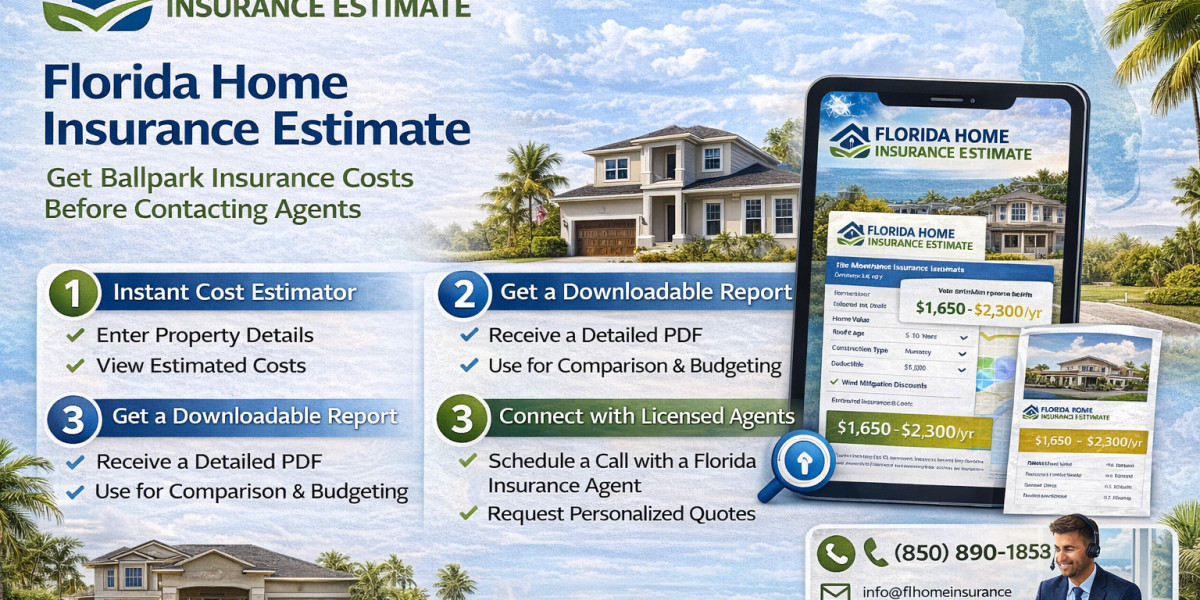
In today’s market, many homeowners prefer to understand potential costs before contacting an agent. A Florida home insurance calculator provides a quick, no-obligation estimate based on key property details.
A typical Florida home insurance calculator considers:
County location
Home value and estimated replacement cost
Year built
Construction type
Roof age and materials
Wind mitigation features
Deductible preferences
The result is a ballpark insurance cost range — not a binding quote — but it helps homeowners:
Budget effectively
Compare different deductible scenarios
Understand how specific features impact premiums
Prepare for discussions with licensed insurance agents
While actual rates vary by insurer and underwriting rules, an insurance calculator gives a realistic starting point.
Estimates vs. Official Quotes
It is important to distinguish between:
Insurance Estimate
A projected cost range based on general rating factors.
Official Insurance Quote
A finalized premium issued by a licensed insurer after underwriting review.
Underwriting may include:
Detailed inspections
Claims history review
Credit-based insurance scoring
Risk modeling analysis
Homeowners should use estimates for planning purposes only and consult licensed agents for official quotes.
Tips for Lowering Florida Home Insurance Costs
Although Florida home insurance is expensive, homeowners can take proactive steps to reduce premiums:
1. Invest in Wind Mitigation Improvements
Upgrades such as impact-resistant windows and reinforced roofing systems often provide discounts.
2. Shop Policies Annually
Given the dynamic insurance market, comparing quotes yearly can uncover better options.
3. Bundle Insurance Policies
Some insurers offer discounts for bundling home and auto insurance.
4. Adjust Deductibles Strategically
Higher deductibles may lower annual premiums if financially manageable.
5. Maintain Roof and Structural Integrity
Regular maintenance reduces underwriting concerns and potential surcharges.
Who Should Use a Florida Home Insurance Calculator?
A Florida home insurance calculator is particularly helpful for:
Homebuyers budgeting before closing
Real estate investors comparing properties
Current homeowners evaluating renewal increases
Individuals relocating to Florida
Because no personal information is typically required, users can explore scenarios freely without pressure.
Planning for the Future of Home Insurance in Florida
Florida’s insurance market continues evolving. Legislative reforms, climate risk modeling, and insurer participation will influence premium trends in coming years.
Homeowners should focus on:
Staying informed about regulatory changes
Reviewing coverage annually
Understanding risk exposure
Using digital tools to estimate costs in advance
Technology-driven solutions like insurance estimation platforms are becoming essential for financial planning.
Final Thoughts
Florida home insurance in 2026 remains complex but manageable with the right information. Rising premiums reflect real risk factors such as hurricane exposure, reinsurance costs, and construction inflation. However, understanding how insurers calculate rates empowers homeowners to make smarter decisions.
Using a Florida home insurance calculator can provide immediate clarity by delivering realistic cost ranges based on property details. While estimates are not official quotes, they serve as powerful planning tools for budgeting and comparison.
Ultimately, staying proactive — reviewing policies, improving mitigation features, and consulting licensed agents — ensures that homeowners maintain adequate coverage while controlling costs as much as possible.
In a high-risk market like Florida, informed decisions are the strongest form of protection.