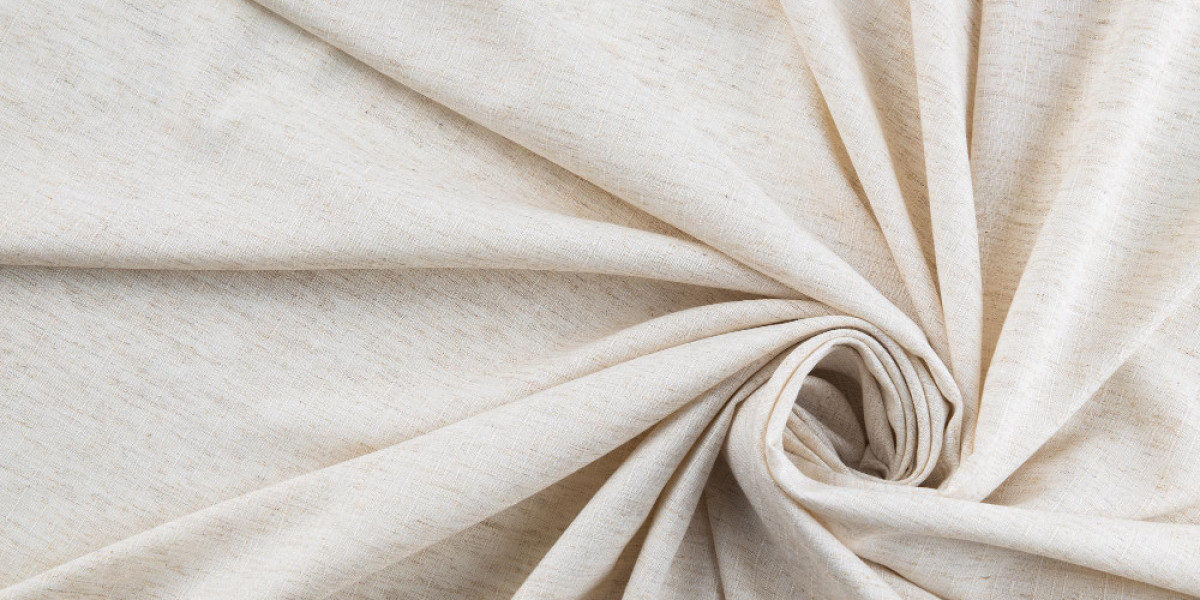

The fashion industry stands at a crossroads. Consumers demand more sustainable options, and private label brands scramble to meet these expectations without compromising on quality or style. Enter linen fabric—a natural material that checks every box for sustainable fashion production.
Private label fashion brands face unique challenges when sourcing sustainable materials. They need fabrics that work within tight budgets, maintain consistent quality, and appeal to eco-conscious consumers. Linen fabric delivers on all these fronts, making it the smart choice for brands looking to build their sustainable fashion lines.
This post explains why linen fabric has become the cornerstone of sustainable private label fashion and how you can leverage its benefits for your brand.
What is Linen Fabric?
Linen fabric comes from the flax plant, specifically from the fiber found in the stem. The production process starts with harvesting the flax plant when it reaches full maturity. Workers then rest the plants—a process where they soak the stems in water to break down the pectin that binds the fibers together.
After retting, the stems go through scutching and hackling to separate the long linen fibers from the shorter ones. These long fibers become the high-quality linen fabric we know today. The entire process requires minimal chemicals compared to synthetic fabric production, making linen fabric an inherently sustainable choice.
The fiber structure of linen fabric gives it distinct properties. The long flax fibers create a strong, durable material that becomes softer with each wash. Unlike synthetic alternatives, linen fabric breathes naturally and regulates temperature, making it comfortable in various climates.
Linen fabric production has remained largely unchanged for centuries. This time-tested method results in a consistent product that private label manufacturers can rely on for their sustainable fashion lines.
Why Linen for Sustainable Fashion?
Linen fabric stands out as an environmentally friendly option for several key reasons. First, the flax plant requires significantly less water than cotton during cultivation. While cotton needs extensive irrigation, flax thrives on rainwater alone in most climates, reducing the strain on water resources.
The entire flax plant serves a purpose in production. Nothing goes to waste—seeds become linseed oil, shorter fibers create paper and insulation, and woody stems make particle boards. This zero-waste approach aligns perfectly with sustainable fashion principles.
Linen fabric biodegrades completely when disposed of properly. Unlike synthetic materials that can take hundreds of years to break down, linen fabric returns to the earth within months under composting conditions. This natural decomposition process eliminates long-term environmental impact.
Carbon footprint reduction represents another major advantage of linen fabric. The flax plant actually absorbs more carbon dioxide during growth than the manufacturing process releases. This creates a net-negative carbon footprint, making linen fabric one of the most climate-friendly materials available.
Processing linen fabric requires fewer harsh chemicals compared to synthetic alternatives. The natural properties of flax fibers mean manufacturers can achieve desired textures and finishes with minimal chemical intervention, reducing environmental pollution and worker exposure to toxic substances.
Benefits of Linen in Private Label Fashion
Durability ranks among the top advantages of linen fabric for private label brands. Properly made linen garments can last for decades with regular wear. This longevity appeals to consumers seeking quality pieces that justify higher price points, allowing private label brands to position their products as investment pieces.
Linen fabric offers remarkable versatility across different garment types. From casual summer dresses to professional blazers, linen fabric adapts to various styles and seasons. This flexibility allows private label brands to create cohesive collections using a single fabric type, simplifying sourcing and inventory management.
Market appeal for linen fabric continues to grow as consumers become more environmentally conscious. Recent surveys show that 73% of consumers are willing to pay premium prices for sustainable fashion items. Linen fabric helps private label brands tap into this lucrative market segment.
Temperature regulation properties make linen fabric ideal for year-round wear. The natural fiber structure allows air circulation while providing insulation when needed. This functionality extends the selling season for garments, increasing revenue potential for private label brands.
Linen fabric takes dye beautifully, allowing for vibrant color options that won't fade quickly. Natural dyes work particularly well with linen fabric, giving private label brands another sustainable selling point. Color retention means garments maintain their appearance longer, reducing customer complaints and returns.
When you buy fabric online from platforms like Fabriclore, TextileHub, or FabricMart, you'll find linen fabric available in numerous weights and finishes. This variety allows private label brands to source exactly what they need for specific designs without compromising on quality or sustainability goals.
Challenges and Solutions
Cost concerns often deter private label brands from choosing linen fabric. High-quality linen fabric typically costs more than synthetic alternatives upfront. However, the durability factor changes the cost equation significantly. When calculated over the garment's lifespan, linen fabric often proves more economical than cheaper alternatives that need frequent replacement.
Private label brands can address cost concerns through strategic sourcing. Buying fabric online in larger quantities reduces per-unit costs while ensuring consistent supply. Platforms like Fabriclore offer competitive wholesale pricing that makes linen fabric more accessible for smaller brands.
Wrinkling represents another perceived challenge with linen fabric. Some consumers associate wrinkles with poor quality or maintenance issues. Smart private label brands turn this characteristic into a selling point by marketing the relaxed, lived-in aesthetic that linen fabric provides. The "effortless chic" positioning resonates well with modern consumers.
Shrinkage concerns can be managed through proper pre-treatment processes. When manufacturers pre-wash linen fabric before cutting, they eliminate most shrinkage issues. This extra step requires planning and communication with production partners but ensures consistent fit across all garments.
Limited stretch properties of linen fabric can restrict certain design possibilities. Private label brands can work around this by incorporating small percentages of elastane or designing cuts that accommodate the fabric's natural drape. Many successful brands have built their entire aesthetic around linen fabric's natural movement and flow.
Supply chain transparency becomes easier with linen fabric compared to synthetic materials. The shorter, simpler production process makes it easier for private label brands to trace their materials from farm to finished product. This transparency appeals to consumers who want to know the story behind their purchases.
Future of Sustainable Private Label Fashion
Linen fabric represents more than just a sustainable material choice—it's a strategic advantage for forward-thinking private label brands. As environmental regulations tighten and consumer awareness grows, brands built on sustainable foundations will thrive while others struggle to adapt.
The versatility, durability, and environmental benefits of linen fabric make it the ideal foundation for sustainable private label fashion. Brands that embrace linen fabric now position themselves at the forefront of the sustainable fashion movement.
Start building your sustainable private label fashion line today. Research suppliers who offer high-quality linen fabric, whether you buy fabric online or work directly with mills. Focus on creating timeless designs that showcase linen fabric's natural beauty while meeting your customers' functional needs.
The future belongs to brands that prioritize sustainability without sacrificing style or quality. Linen fabric provides the perfect material foundation for this vision. Make linen fabric the heart of your sustainable fashion strategy and watch your brand grow alongside the expanding conscious consumer market.