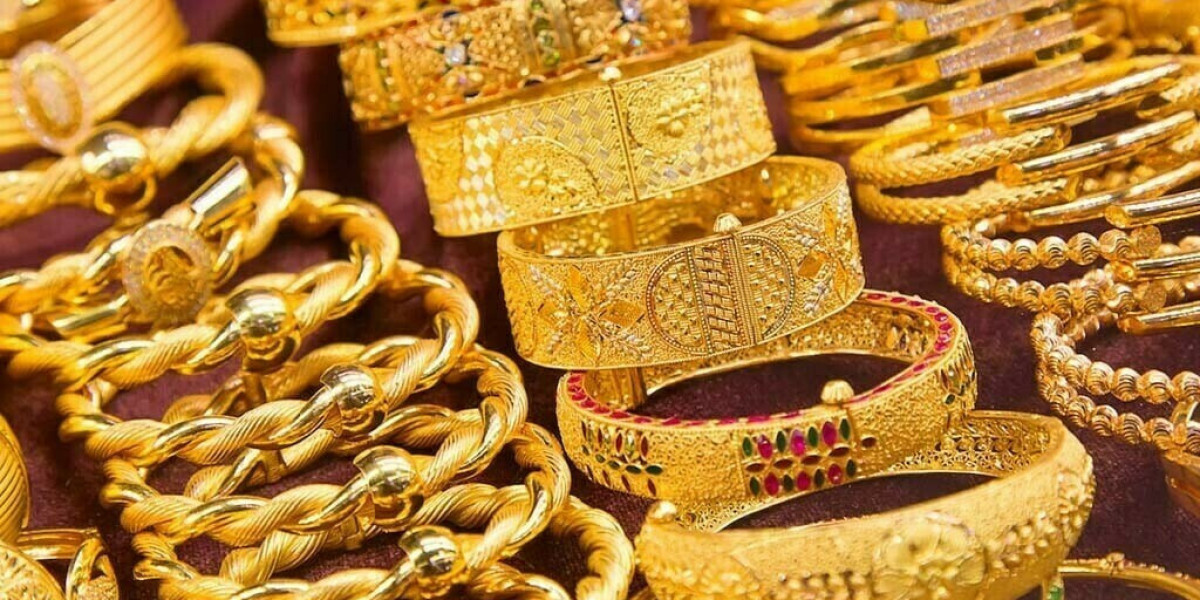

Gold has always been a valuable asset for Pakistani households, investors, and industries. Whether it is used as jewelry, an investment, or even in specialized healthcare services, its pricing plays a crucial role in everyday life. However, one of the most important factors behind fluctuations in the Gold Rate in Pakistan is the performance of the Pakistani rupee. The rupee’s strength or weakness against the U.S. dollar has a direct and immediate effect on how gold is priced locally.
How the Rupee Impacts Gold Prices
Gold is traded internationally in U.S. dollars. Since Pakistan imports most of its gold, the exchange rate between the rupee and the dollar is vital. When the rupee weakens, it takes more local currency to purchase the same amount of gold. This automatically increases prices in the domestic market, even if international gold rates remain stable. Conversely, when the rupee strengthens, gold becomes more affordable for Pakistani buyers.
The Dollar-Gold Connection
The U.S. dollar is often considered a benchmark currency in global trade. As the dollar strengthens, gold prices usually rise in Pakistan due to currency conversion. This relationship explains why local gold prices may surge even if international prices remain unchanged. For Pakistani buyers, the rupee’s movement often matters more than global price shifts.
Medical Applications and Cost Implications
Gold is not just significant in financial and cultural contexts; it is also used in the medical field. Gold’s non-reactive nature makes it valuable in dentistry, diagnostic tools, and even cancer treatments. When the rupee depreciates, the cost of importing medical devices that rely on gold components increases, which can affect healthcare affordability in Pakistan.
This makes monitoring gold rates important not only for investors but also for hospitals and medical institutions that depend on gold-based equipment. A weak rupee could mean higher treatment costs, directly affecting patients.
Local Demand vs. Global Influence
While the rupee plays a central role, other factors such as wedding seasons, cultural demand, and international economic conditions also contribute to gold price changes. However, the exchange rate is often the most visible and immediate driver of daily fluctuations in the country.
This unique combination of local cultural demand and currency exchange dynamics explains why Pakistan’s gold market behaves differently from purely international trends.
Reliable Sources for Gold Price Tracking
For individuals and businesses, staying updated on gold prices is essential. Platforms like Bloom Pakistan provide reliable and timely updates, helping people make informed financial and investment decisions. Accessing trustworthy information can be particularly important when rupee fluctuations are rapid, ensuring that buyers and industries are not caught off guard.
Stories of Gold in Pakistani Society
Beyond economics, gold carries cultural significance in Pakistan. Families often see gold as a long-term safeguard for future generations. Many households have their own stories tops about how gold was bought during times of currency weakness and later became a source of financial security. These narratives highlight the strong connection between currency performance, gold, and cultural traditions.
Conclusion
The strength of the Pakistani rupee is one of the most influential factors shaping the Gold Rate in Pakistan. While global markets and demand trends play their part, local prices are most directly tied to the rupee-dollar exchange rate. This link not only affects investors and jewelry buyers but also has a broader impact on the medical sector, where gold is an essential resource. By following trusted sources such as Bloom Pakistan, individuals and businesses can stay prepared for fluctuations. At the same time, cultural stories tops remind us that gold remains deeply tied to both tradition and financial security in Pakistan.