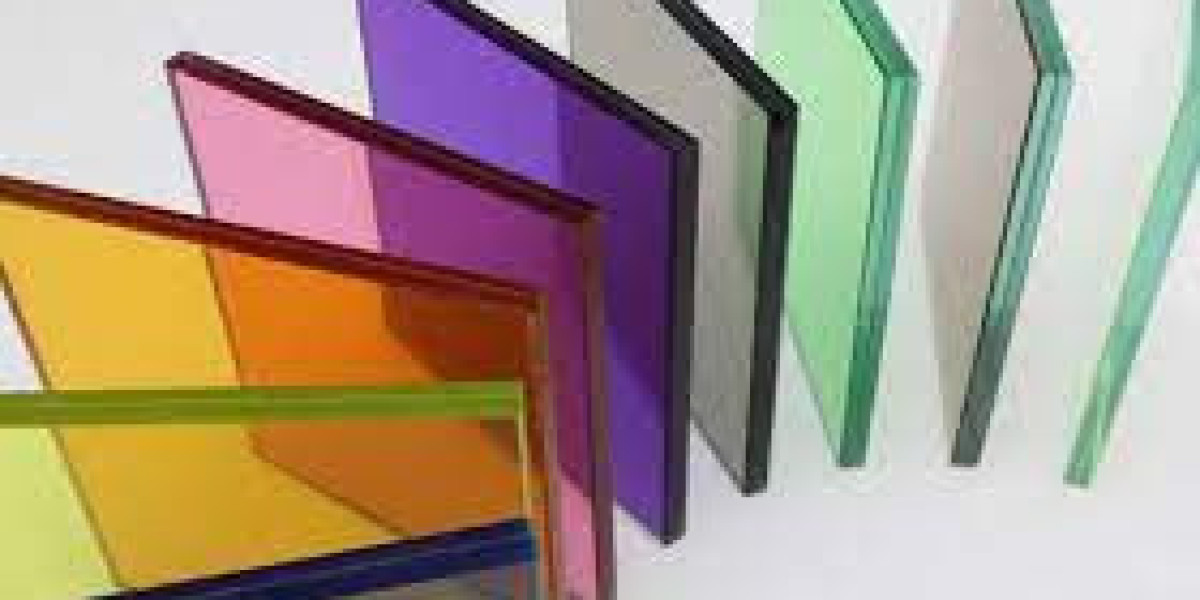

In optics, filter glass is widely used for controlling wavelengths, blocking unwanted light, and enhancing precision in scientific, medical, and industrial applications. While it plays a vital role in performance, filter glass is not free from challenges. Engineers, researchers, and manufacturers often face hidden issues that affect reliability, cost, and long-term usability.
In this article, I will explain the most common problems associated with filter glass, including durability, spectral performance, environmental resistance, and cost-related concerns. Understanding these issues can help industries make better decisions when selecting optical filters.
Durability and Fragility Issues
Filter glass is more fragile than many alternatives. Because it is made through specialized glass compositions, it is vulnerable to:
Scratching during cleaning or handling
Cracking from thermal shock
Breakage under mechanical stress
For industries that require rugged and long-lasting components, this fragility becomes a significant drawback. Optical systems in outdoor or defense environments face higher risks when using standard filter glass.
Limited Spectral Stability
One major problem lies in spectral performance degradation. Over time, exposure to UV light and environmental conditions can shift the transmission properties of filter glass. This results in reduced accuracy for applications requiring strict wavelength control, such as spectroscopy, imaging, or medical diagnostics.
When stability is compromised, the entire optical setup may need recalibration or replacement, increasing long-term costs.
Sensitivity to Environmental Conditions
Filter glass is highly sensitive to environmental elements like humidity, chemicals, and temperature changes.
Moisture can cause coating delamination.
Harsh cleaning agents may damage surfaces.
Prolonged exposure to heat accelerates material stress.
For laboratories and industries in challenging climates, this sensitivity creates maintenance and replacement challenges.
Energy and Transmission Trade-Offs
Although filter glass blocks unwanted wavelengths effectively, it also reduces overall light transmission. This creates an energy trade-off—strong filtering often comes at the cost of brightness and efficiency.
In fields like microscopy or laser applications, reduced transmission can limit performance, forcing users to rely on higher power sources or more advanced designs.
Cost and Supply Chain Concerns
Producing high-quality filter glass requires precise manufacturing processes, which drive up costs. Additionally, only a limited number of manufacturers supply specialized optical filter glass, leading to:
Higher prices for custom sizes and coatings
Supply chain bottlenecks
Long lead times for large-scale projects
For smaller companies, these challenges make filter glass less accessible compared to alternatives like thin-film filters.
Alternative Technologies Emerging
With advancements in optics, thin-film interference filters and hybrid solutions are gaining traction. These options often provide:
Higher durability
Better spectral stability
Increased customization
This growing competition means industries must carefully compare filter glass with alternatives before committing to large-scale use.
Conclusion
Filter glass remains an essential component in optical systems, but its limitations should not be ignored. Fragility, spectral instability, environmental sensitivity, and higher costs create challenges for industries that depend on precision.
By recognizing these drawbacks, businesses can make informed choices, explore alternative technologies, and ensure long-term efficiency. While filter glass will continue to play a role in specialized applications, ongoing advancements in optical materials may provide better solutions for the future.