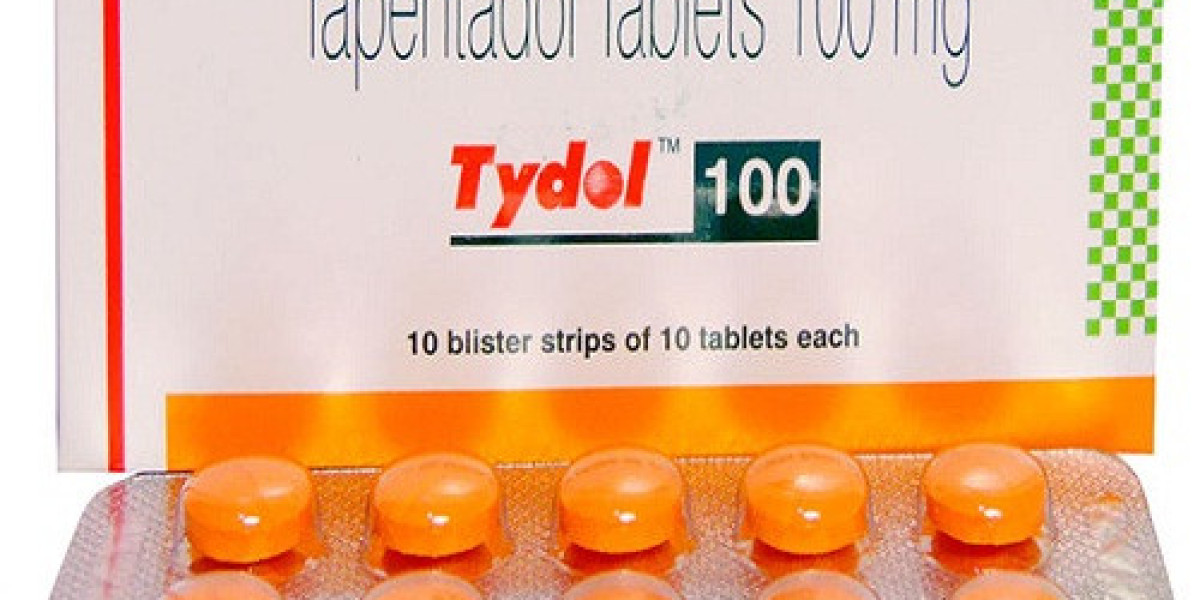

As healthcare costs continue to soar worldwide, patients are becoming increasingly conscious of value and affordability. This is where Generic Medicine steps into the spotlight providing the same healing power as branded drugs but at a much lower cost. Understanding what generic medicines are, how they function, and why they matter can help you make informed choices for both your health and your budget.
What Is Generic Medicine?
A generic medicine is a scientifically equivalent version of a brand-name drug. It contains the same active ingredient, dosage strength, and form whether tablet, capsule, or injection and is administered through the same route, such as oral or topical.
Before a generic medicine can be sold, it must meet stringent approval standards set by regulatory authorities like the U.S. Food and Drug Administration (FDA). These standards ensure that the generic version is bioequivalent to its branded counterpart meaning it releases the same amount of active substance into the bloodstream in the same timeframe, producing identical therapeutic results.
The only real distinction between the two lies in cost. Since generic manufacturers don’t spend millions on drug discovery, marketing, or clinical trials already completed by the original brand, they can offer the same treatment at a fraction of the price making Generic Medicine a cornerstone of affordable healthcare.
Why Generic Medicine Matters
1. Substantial Cost Savings
The biggest advantage of generic drugs is their affordability. According to the FDA, generics are typically 80–85% cheaper than brand-name medications. This dramatic price difference allows patients to afford their prescribed treatments without financial strain, helping prevent skipped doses and treatment interruptions.
2. Improved Accessibility
Lower costs translate directly into broader access. Generic medicines make life-saving treatments available to individuals who might otherwise struggle with high out-of-pocket costs. This is especially crucial for patients managing chronic illnesses that require long-term medication.
3. Equal Safety and Efficacy
A persistent myth suggests that lower prices mean lower quality but that couldn’t be further from the truth. Generics must pass the same rigorous standards of quality, strength, purity, and performance as branded drugs. Studies have repeatedly confirmed that generics deliver the same therapeutic outcomes as their branded equivalents.
How Generic Medicine Works — Key Facts to Know
Active Ingredient: The same core chemical compound found in the brand-name version provides the intended therapeutic benefit.
Dosage and Form: The strength and dosage route (oral, topical, injectable) must exactly match the original formulation.
Inactive Ingredients: Non-active fillers, colors, or coatings may vary. While harmless for most users, those with allergies or sensitivities should always check the label or consult their pharmacist.
Appearance: Generics often look different shape, size, or color due to trademark restrictions. This has no impact on how they work or how effective they are.
Therapeutic Window: Some medications with a narrow safety margin (called a narrow therapeutic index) may require closer monitoring when switching to generics. Always consult your doctor in such cases.
Common Myths About Generic Medicine
Myth 1: Generics are less effective.
Fact: Generics contain the same active ingredient and must prove equal effectiveness before approval.
Myth 2: Low price equals low quality.
Fact: The reduced price is due to lower research and marketing expenses — not a compromise in quality standards.
Myth 3: All medications have a generic version.
Fact: Only drugs with expired patents can have generic alternatives. Newer medications may still be under patent protection.
Myth 4: You can switch between generics freely.
Fact: Although safe, frequent switching between different manufacturers can cause confusion due to changes in appearance. Always verify your prescription label and consult your pharmacist.
How to Make the Most of Generic Medicine
To ensure a safe and effective experience with generic medicines, consider these practical steps:
Ask your doctor if a generic alternative is available for your prescribed drug.
Compare the active ingredient and dosage strength to confirm it matches the branded version.
Use trusted pharmacies that are licensed and transparent about sourcing and storage.
Monitor your body’s response after switching. If you experience any new side effects, inform your healthcare provider.
Review your medications regularly — many branded drugs later become available as generics, opening new opportunities to save.
Check insurance coverage — generics usually have lower co-pays and are often preferred by insurers.
Challenges and Considerations
While Generic Medicine has revolutionized affordability, certain challenges remain:
Supply Chain Issues: Manufacturing delays or limited competition among producers can occasionally affect supply or pricing.
Public Perception: Some patients remain hesitant to switch from well-known brands, despite proven equivalence.
Education Gaps: Misunderstandings about generic safety and quality can discourage their use.
Special-Case Medications: For drugs with extremely precise dosing needs, such as thyroid or anti-seizure medications, your doctor may recommend sticking to a single brand or manufacturer for consistency.
These challenges highlight the importance of continued education, regulation, and transparent communication between doctors, pharmacists, and patients.
The Future of Generic Medicine
The future for Generic Medicine looks exceptionally bright. As patents on branded drugs continue to expire, more affordable generic options are entering the market every year. Additionally, the rise of digital pharmacies and online medicine delivery platforms has made accessing generics easier than ever especially for those in rural or underserved regions.
Government health programs and global initiatives are also pushing for greater generic adoption to control national healthcare spending. Advances in biosimilars (generic versions of biologic drugs) are opening new frontiers for treating complex diseases affordably.